



Uzbekistan, a land where the sands of the Kyzylkum Desert meet the peaks of the Tian Shan mountains, has a rich cultural heritage that has been shaped by centuries of history. This Central Asian country, with its ancient cities like Samarkand, Bukhara, and Khiva, has long been a crossroads of civilizations, where diverse influences have come together to create a unique and vibrant cultural tapestry. Among the most notable aspects of Uzbekistan’s culture are its literary traditions, its contributions to the arts, and its enduring cultural practices.
The Literary Tradition of Uzbekistan
Uzbekistan’s literary tradition is one of the oldest and most respected in Central Asia. The country has produced many poets, writers, and scholars who have made significant contributions to world literature. One of the most famous figures in Uzbek literature is Alisher Navoi (1441–1501), a poet, writer, and statesman who is considered the father of Uzbek literature. His work, written in Chagatai Turkish (an ancient form of the Uzbek language), has had a profound influence on the development of literature in Central Asia.
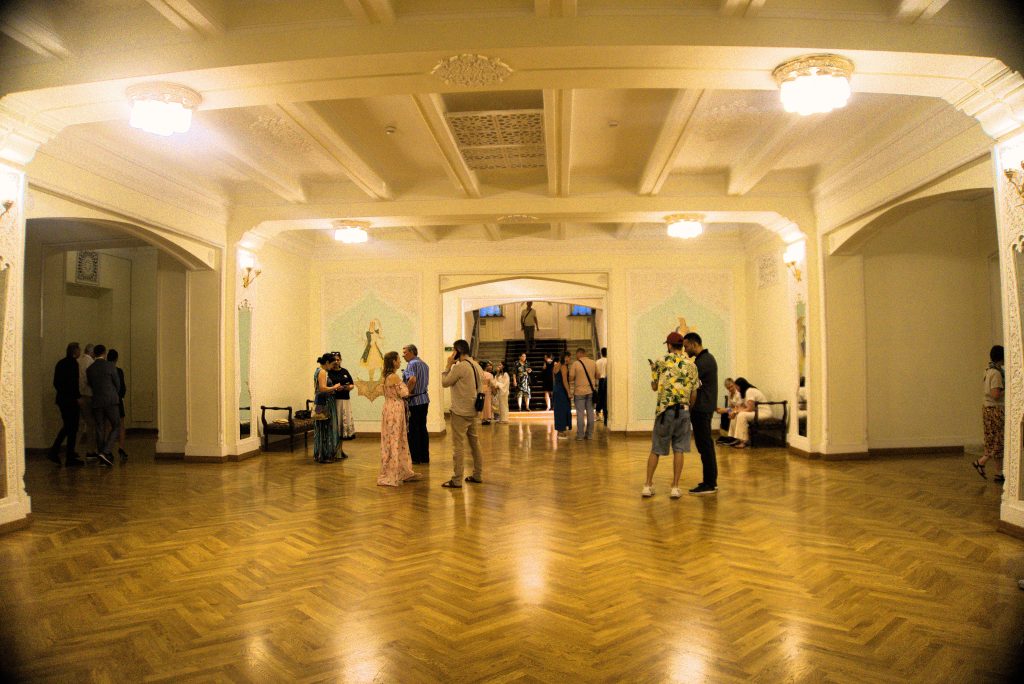
Navoi’s most famous work, “Khamsa” (The Quintet), is a series of five epic poems that explore themes of love, friendship, and the quest for knowledge. His writing is known for its rich language, intricate metaphors, and deep philosophical insights. Navoi’s legacy lives on in Uzbekistan, where his works are still widely read and studied.
Another significant literary figure from Uzbekistan is Babur (1483–1530), the founder of the Mughal Empire in India. Although Babur is more widely known for his role in history, he was also a gifted writer and poet. His autobiography, “Baburnama,” is one of the most important works of literature from the region. Written in Chagatai Turkish, it provides a detailed account of his life, his battles, and his observations of the world around him. The “Baburnama” is not only a historical document but also a work of great literary merit, known for its vivid descriptions and lyrical prose.
In more recent times, Uzbek literature has continued to thrive. Writers such as Abdulla Qodiriy (1894–1938), Cholpon (1897–1938), and Oybek (1905–1968) have made significant contributions to modern Uzbek literature. Qodiriy’s novel “O‘tkan Kunlar” (Days Gone By) is considered one of the masterpieces of Uzbek literature, offering a poignant exploration of the social and political changes in Uzbekistan during the late 19th and early 20th centuries.
Uzbekistan’s Artistic Heritage
Uzbekistan’s artistic heritage is as rich and diverse as its literary tradition. The country is known for its distinctive forms of visual art, including miniature painting, ceramics, and textile arts. These art forms have been developed over centuries and are deeply rooted in the country’s cultural and religious traditions.
One of the most iconic forms of Uzbek art is miniature painting, which flourished during the Timurid period in the 15th and 16th centuries. Uzbek miniature painting is characterized by its intricate details, vibrant colors, and depictions of historical and mythological scenes. These paintings often adorned manuscripts and were used to illustrate literary works, such as those of Alisher Navoi.
Ceramics is another important aspect of Uzbekistan’s artistic heritage. The cities of Rishtan, Gijduvan, and Samarkand are renowned for their pottery, which is distinguished by its intricate designs and the use of bright, bold colors. Uzbek ceramics often feature geometric patterns, floral motifs, and calligraphy, reflecting the country’s Islamic heritage.
Textile arts, particularly the production of silk and cotton fabrics, have also been a significant part of Uzbekistan’s cultural identity. The art of making ikat, a type of textile that is dyed before weaving to create intricate patterns, is especially well-developed in Uzbekistan. The city of Margilan is famous for its ikat production, and the fabrics produced there are highly prized for their beauty and craftsmanship.
Cultural Practices and Traditions
In addition to its literary and artistic achievements, Uzbekistan is also known for its rich cultural practices and traditions. One of the most important aspects of Uzbek culture is its music and dance. Traditional Uzbek music is characterized by the use of stringed instruments, such as the dutar and the tanbur, as well as percussion instruments like the doira. The music is often accompanied by dance, which is an integral part of Uzbek cultural celebrations.
Uzbekistan is also famous for its cuisine, which reflects the country’s agricultural abundance and its history as a crossroads of trade. Plov, a dish made with rice, meat, and vegetables, is the national dish of Uzbekistan and is a staple at celebrations and gatherings. Other popular dishes include shashlik (grilled meat skewers), samsa (savory pastries), and lagman (a noodle soup with meat and vegetables).
Festivals and celebrations are an important part of Uzbek culture. Navruz, the Persian New Year, is one of the most significant holidays in Uzbekistan. It is celebrated on March 21st and marks the beginning of spring. During Navruz, people prepare special dishes, visit friends and family, and participate in traditional games and performances.
Conclusion
Uzbekistan’s cultural heritage is a testament to the country’s rich history and its role as a crossroads of civilizations. From its literary giants like Alisher Navoi and Babur to its vibrant artistic traditions and enduring cultural practices, Uzbekistan’s culture is a source of pride for its people and a treasure for the world. As the country continues to evolve, it remains deeply connected to its past, ensuring that its cultural heritage will be preserved and celebrated for generations to come.
Tags: Alisher Navoi, artistic heritage, Chagatai Turkish, Khamsa, literature in Central Asia, Samarkand, Uzbekistan
Leave a Reply